For homeowners
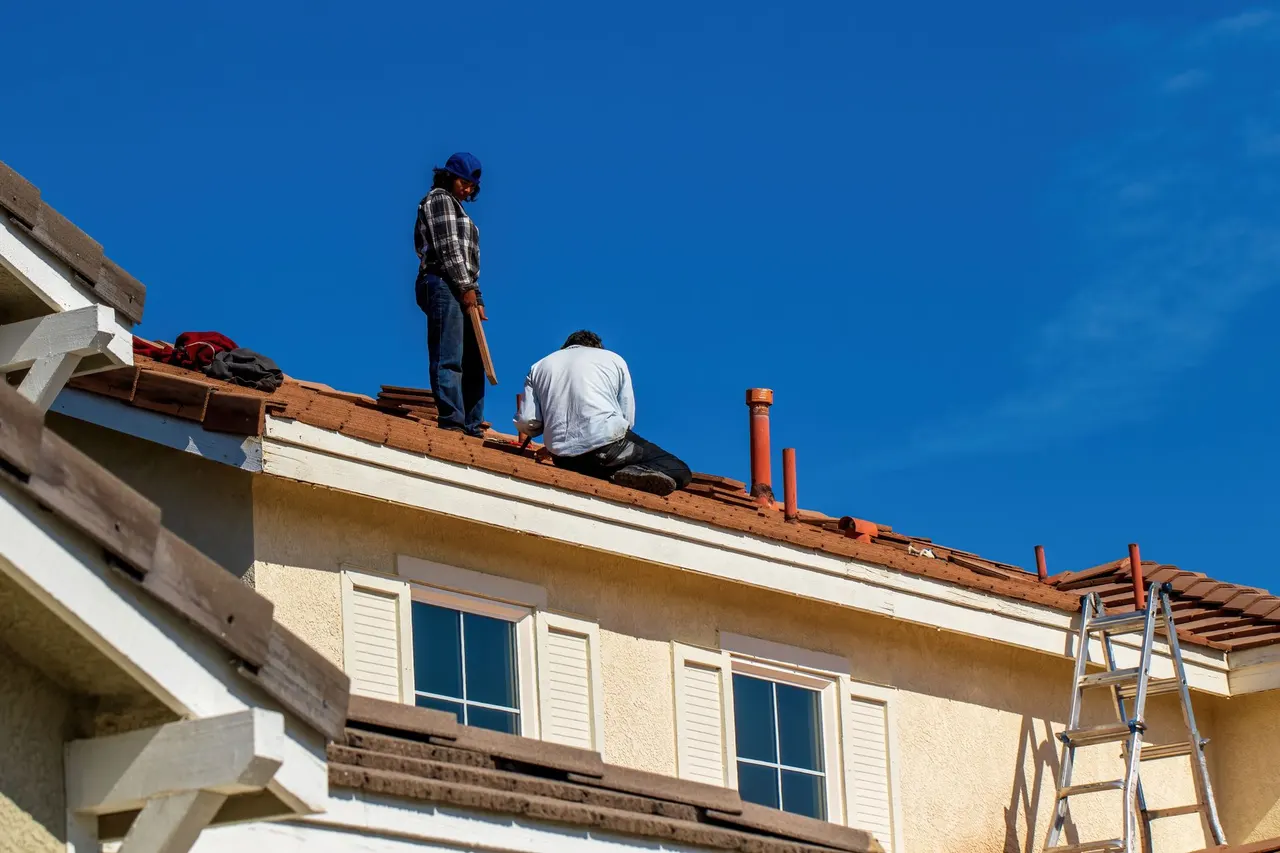
We repair valley leaks on Knoxville homes without tearing up your yard. You get a clear explanation and a dry ceiling.
- Ceiling stains after rain
- Leaks in wind-driven storms
- Old patches that failed
Roof valley leak repair Knoxville TN starts with a full inspection of the valley where two roof planes meet. If water is staining your ceiling or running down a wall, that valley is the likely source. We serve homeowners and property managers across Knoxville, Tennessee, with same-day valley leak fix in Knoxville and honest pricing. Call (865) 2988-904.
 Valley inspectionFlashing checkHose test
Every valley repair is different, but the core work is the same: find the entry point, rebuild the valley channel, and prove it holds. Here is what is covered in a standard repair, and what we quote separately if we find it.
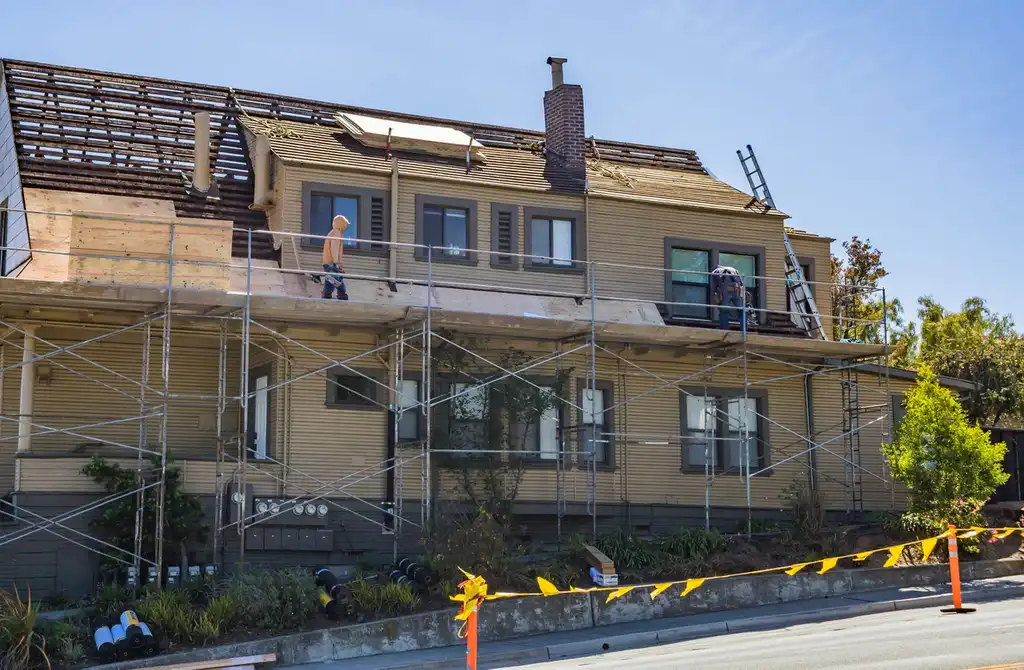
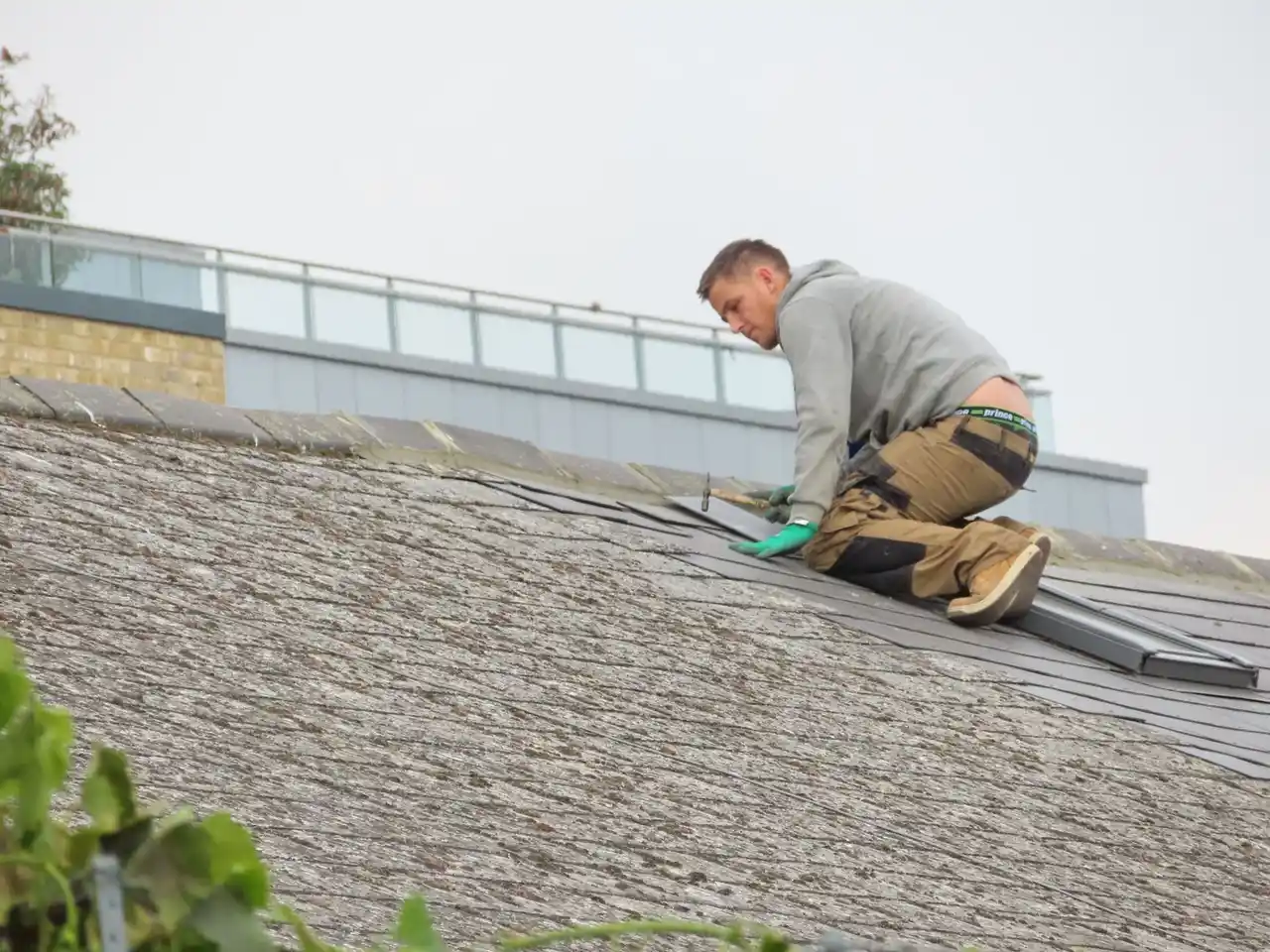
We inspect the valley from ridge to eave, check the attic for staining, and use a moisture meter and infrared thermal camera to trace the water path. You get photos and a plain-English explanation of what failed.
We remove the failed section, install new ice and water shield, and set new valley flashing. We use Grace Ice & Water Shield and metal flashing sized to your roof pitch, not a caulk patch that fails in a year.
Shingles along the valley are pulled, inspected, and re-laid or replaced.
We run a hose test kit over the repaired valley for 20 to 30 minutes while watching the attic below. You get photos of the repair, the material used, and the test result before we pack up.
We tarp your landscaping before we start and sweep the yard and driveway with a magnet when we finish. Nails in the grass are the last thing you want to find with a mower.
The approach is the same for a home and a business. What changes is the access, the schedule and who needs the paperwork.
We repair valley leaks on Knoxville homes without tearing up your yard. You get a clear explanation and a dry ceiling.
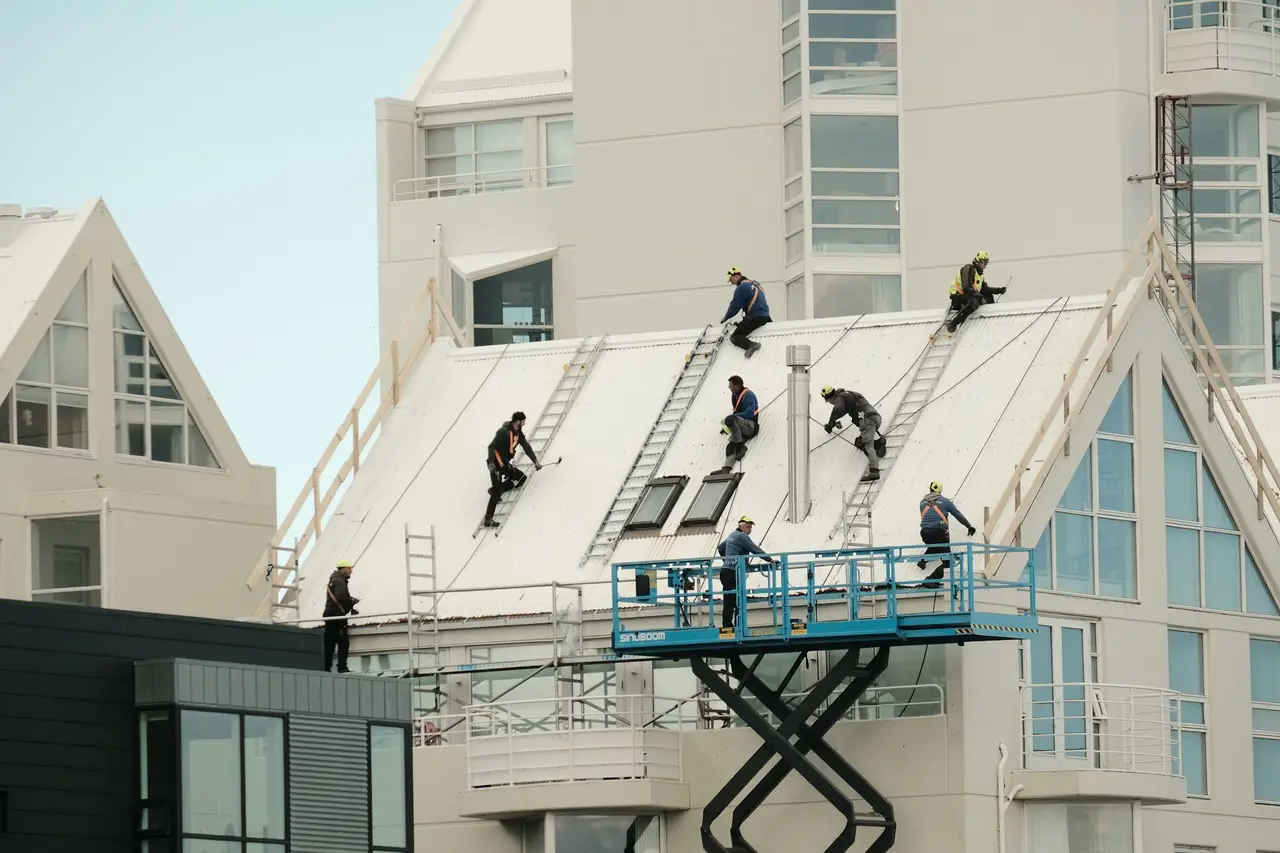
We repair valley leaks on rental homes and commercial buildings around Knox County. Work is scheduled around your tenants and hours.
A plain-language look at what Roof Valley Leak Repair involves and when it is needed.
See how it worksRoof valley leak repair Knoxville TN is the trade of opening up the valley where two roof slopes intersect, finding why water is getting past the flashing and underlayment, and rebuilding that channel so it sheds water again. Valleys collect more water than any other part of your roof, so a small gap in the ice and water shield or a lifted shingle edge turns into a steady leak fast. We pull the shingles back, inspect the flashing and underlayment, and rebuild the valley with new material.
Most Knoxville valleys fail for one of four reasons: debris packed in the channel, nail pops that lifted the shingle edges, wind driven rain pushing under step flashing, or an old valley that was never lined with ice and water shield. If you have searched valley leak repair near me Knoxville and watched a brown stain grow on your ceiling, that is usually a valley problem, not a shingle problem. We see it in Bearden, Fountain City, and Cedar Bluff every week.
A valley leak is a channel problem, not a shingle problem, and it needs to be rebuilt, not patched.

Every valley job follows the same five steps. You get a clear explanation at each stage, and we do not leave until the valley passes a water test.
We walk the roof, check the valley from the ridge to the eave, and look inside the attic for staining and daylight. A moisture meter and infrared thermal camera confirm how far the water has traveled. This takes 30 to 45 minutes and tells us whether the leak is in the valley or a nearby penetration.

We pull back the shingles along the valley and inspect the flashing, underlayment, and ice and water shield. If the leak is coming from a pipe boot, chimney, or skylight near the valley, we tell you before we start. You get a written scope and a fixed price before any material is ordered.
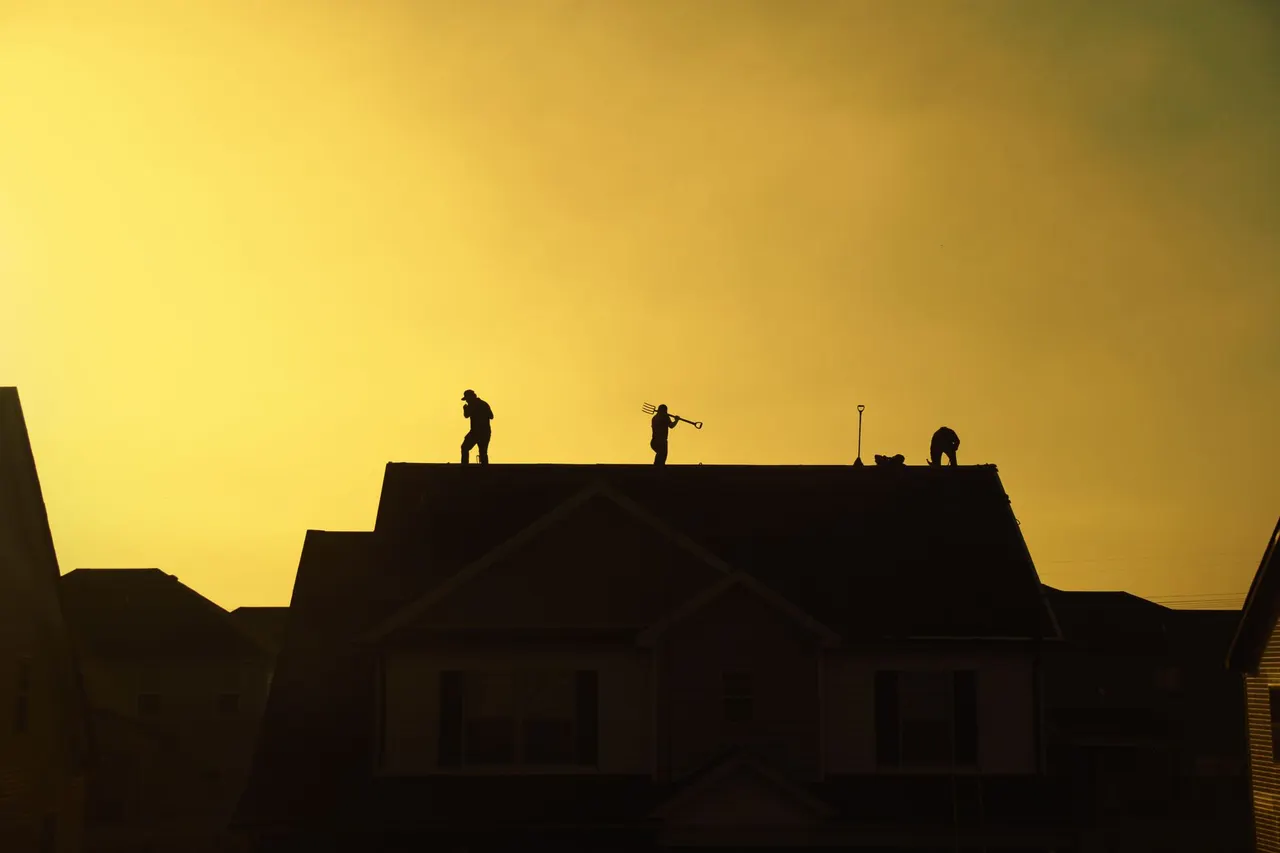
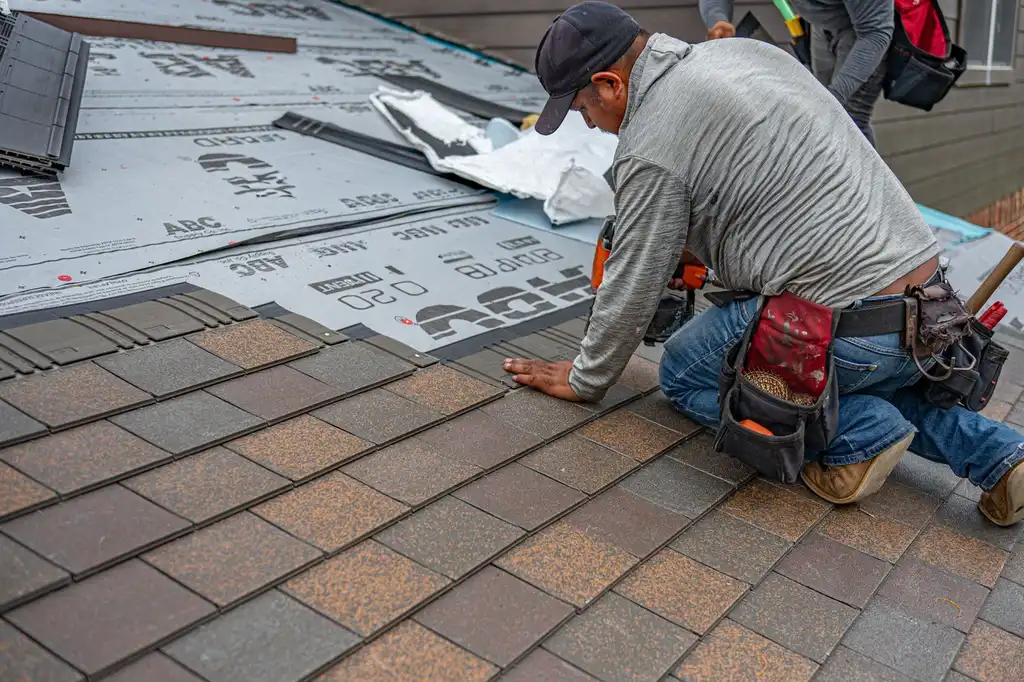
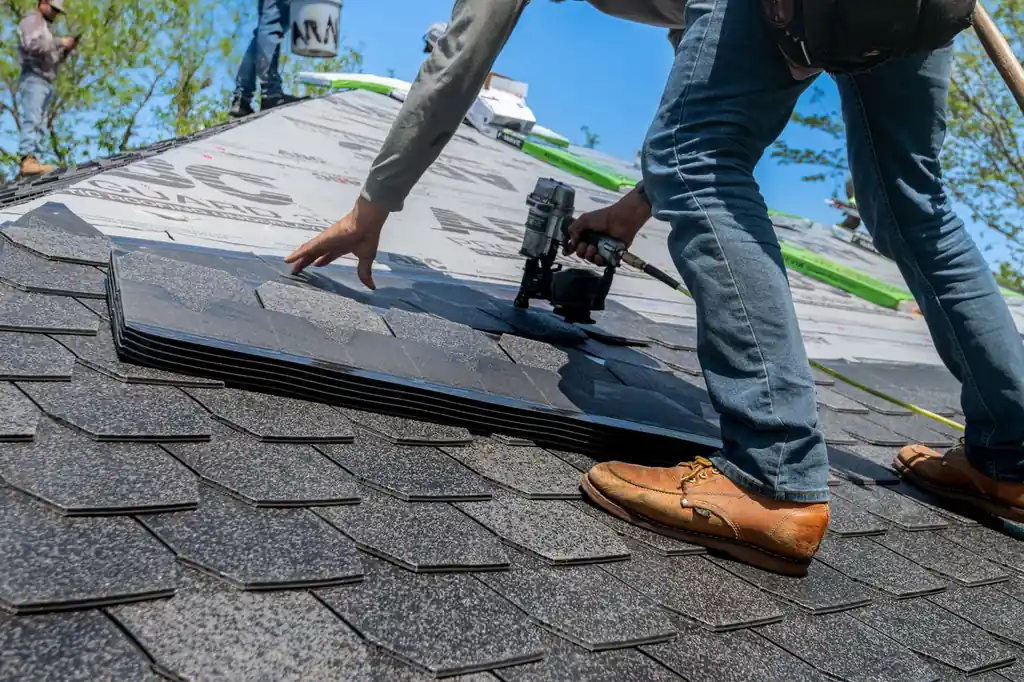
We remove the failed section, replace the underlayment and ice and water shield, and set new valley flashing. Shingles are re-laid and nailed to manufacturer spec. Most valley repairs take two to five hours, and we protect your landscaping with tarps before we start.
We run a hose test kit over the repaired valley for 20 to 30 minutes while watching the attic and ceiling below. If any water shows up, we keep working. You see the test result before we pack up, not after the next storm.
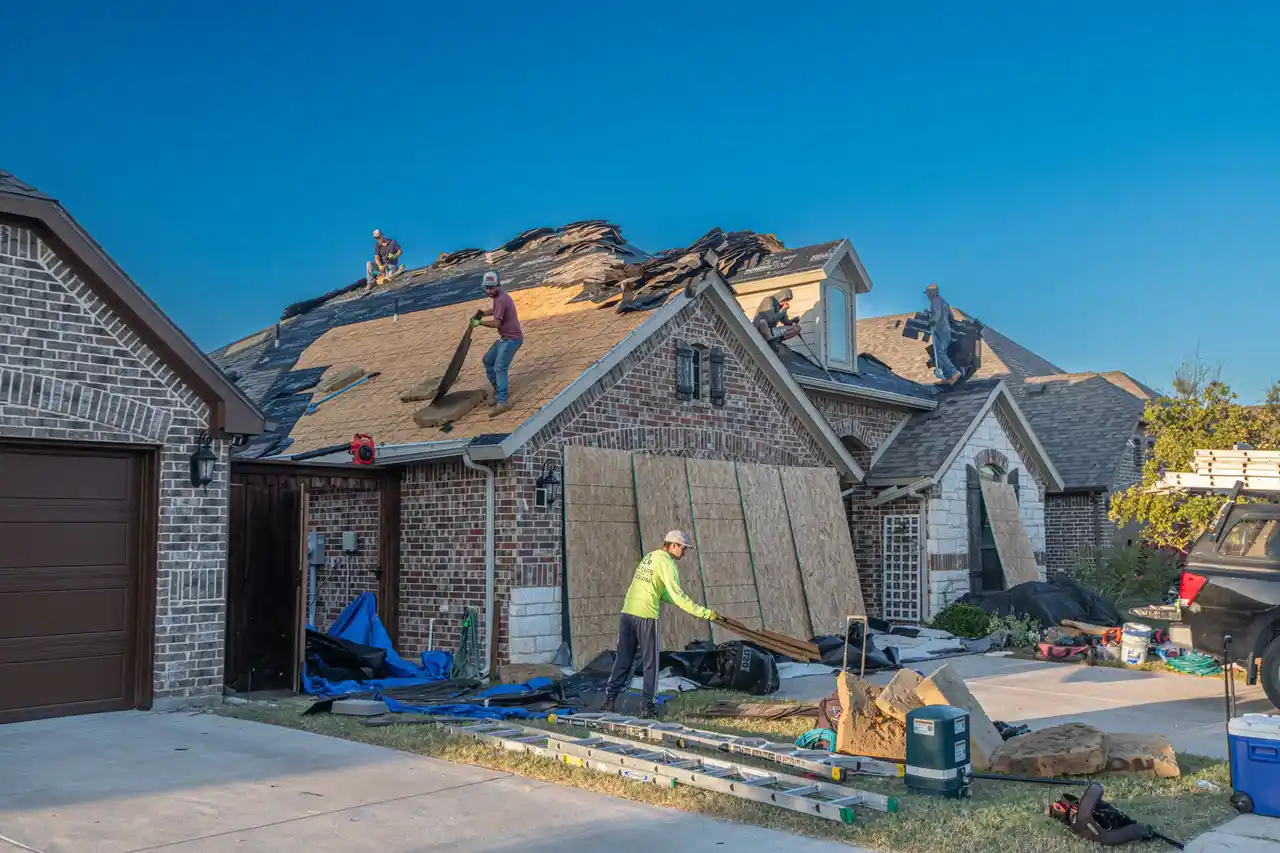
You get photos of the repair, the material used, and the test result. We also note the condition of the rest of the roof so you know what to watch.
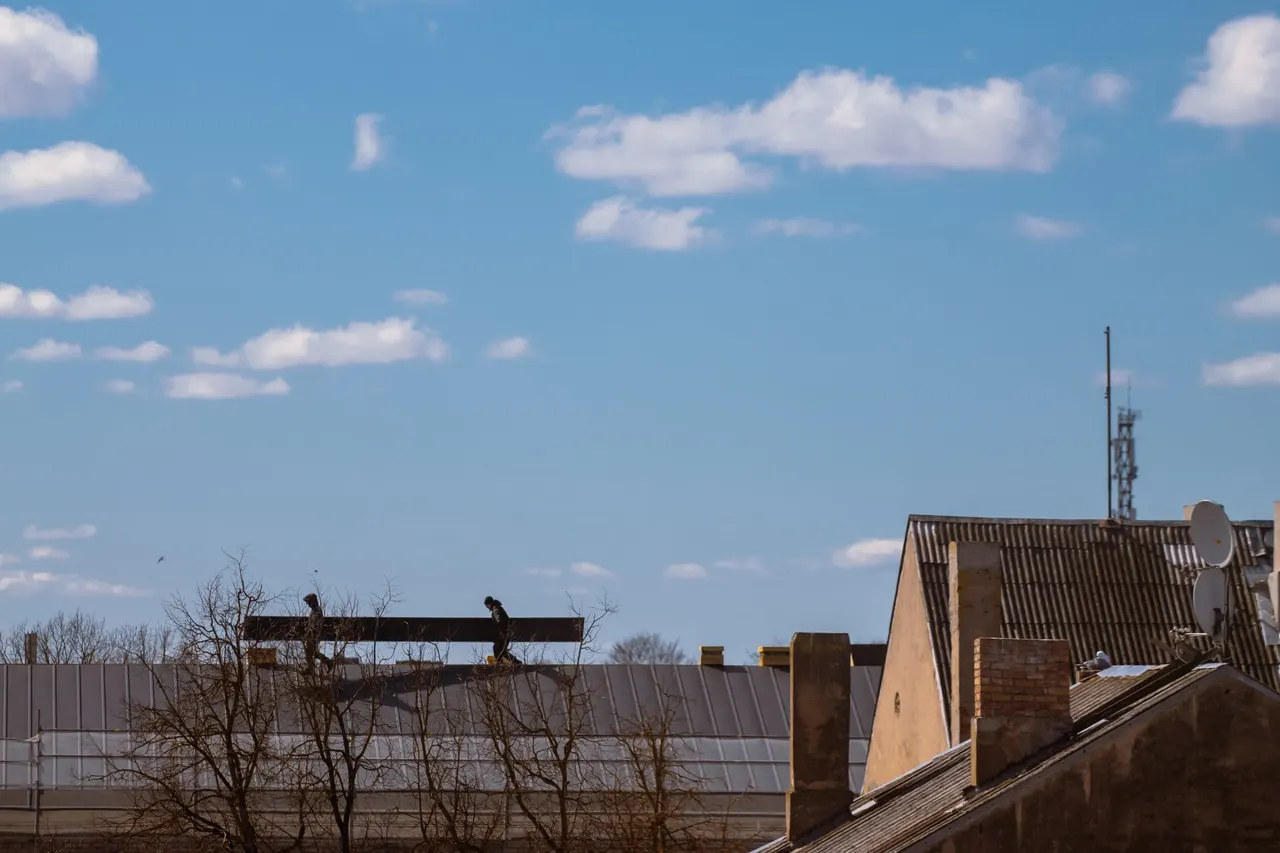
Move across a circle, or focus it and press Enter, for an illustrative thermal view of the photograph.

Finds moisture behind drywall and under decking without tearing anything open. It shows us how far water has traveled from the valley before we start the repair.
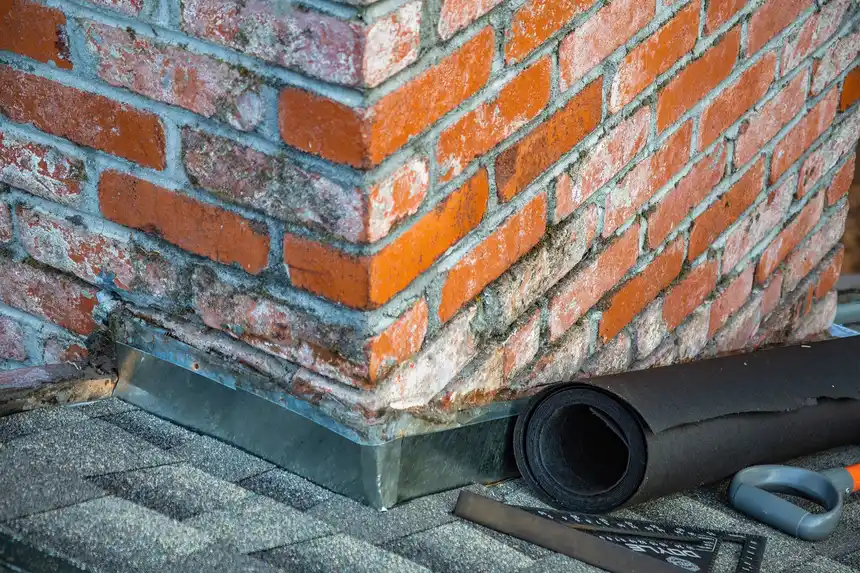
Confirms whether a ceiling stain is active or old. We use it before and after the repair to prove the valley is dry.
Runs controlled water over the repaired valley for 20 to 30 minutes. If any water shows up in the attic, we keep working until it does not.

Lifts shingles without breaking them and slides new flashing under the courses above. This keeps the repair tight and avoids unnecessary shingle replacement.
Applies Henry or DAP sealant at flashing edges and nail heads. We use it as a supplement to new flashing, never as the only fix.
Thermal views are illustrative, generated from the photographs.
Checks steep or tall valleys safely from the ground. It gives us a clear view of the whole valley before we climb.
We install Grace Ice & Water Shield along the entire valley channel before setting new flashing. This is the layer that stops water when shingles are lifted by wind or ice.
For open valleys, we set new metal flashing in a W profile and nail it to spec. The shingles are trimmed back so water runs straight down the metal and into the gutter.
For woven valleys, we interlace the shingle courses and seal each one. This method works well on architectural shingles and hides the valley line from the street.
Every repair ends with a controlled water test at the valley. We watch the attic and ceiling below for 20 to 30 minutes. If it is dry, the repair is done.
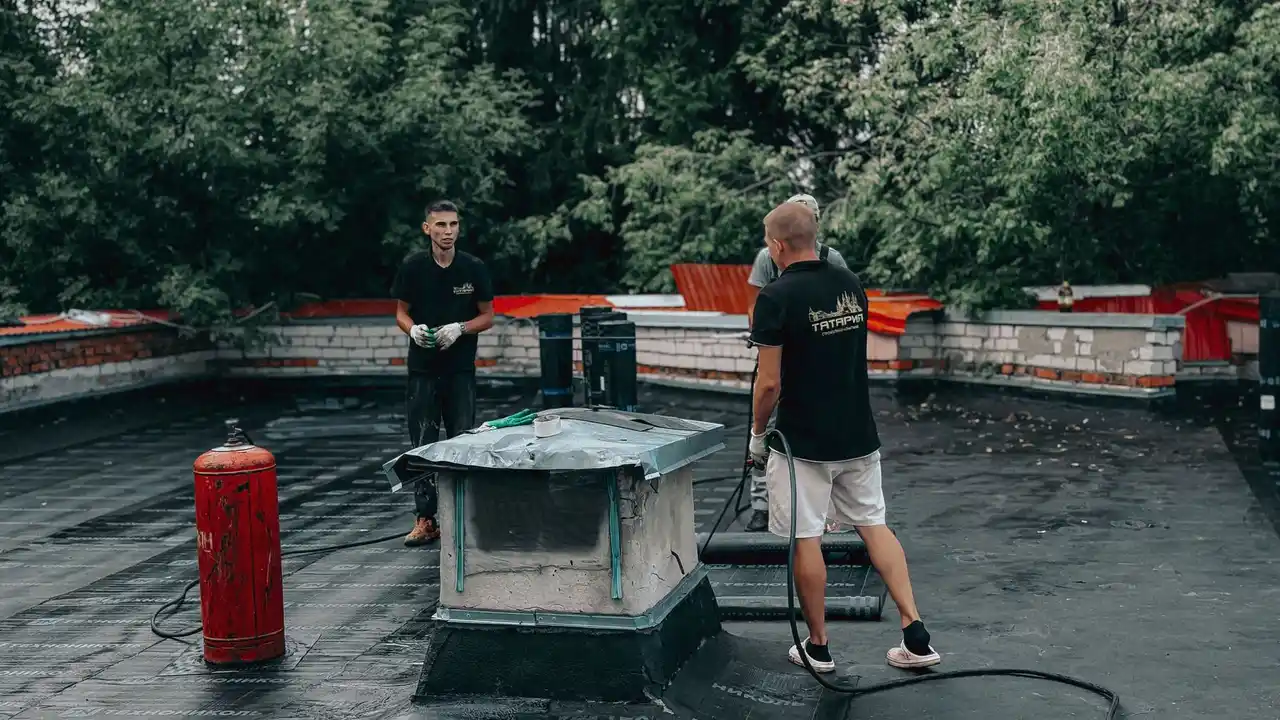
You see a water stain on the ceiling after a heavy Knoxville storm and it keeps getting bigger.
We inspect the valley and attic the same day, find the entry point, and repair the flashing and underlayment. If rain is still coming, we tarp the roof first.
Outcome: The stain stops growing, and you get photos of the repair and the hose test result before we leave.
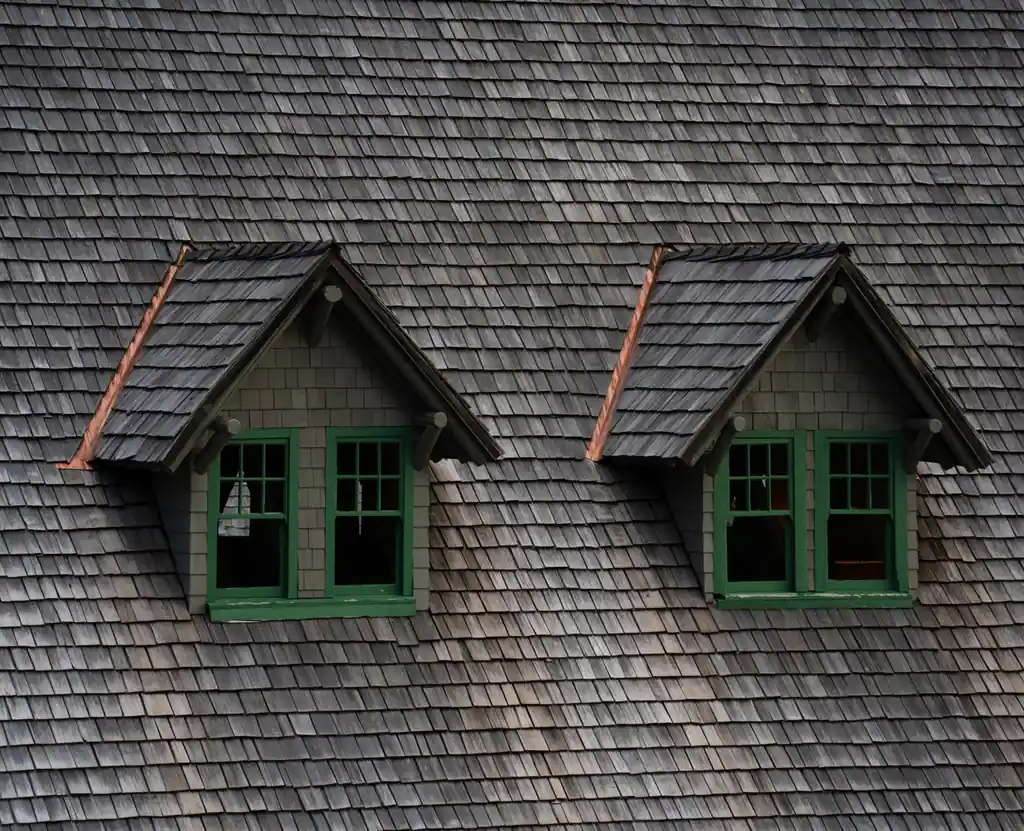
A previous roofer patched the valley with caulk and it started leaking again within a year.
We remove the failed patch, replace the ice and water shield, and install new valley flashing. We match your shingles so the repair blends in.
Outcome: The valley sheds water properly, and the repair holds through freeze-thaw cycles instead of cracking like cement.

You are selling your home and the inspection report flags a valley leak.
We provide a written scope, fixed price, and photo documentation of the repair. The report is clear enough for a buyer's inspector to sign off on.
Outcome: The repair is documented, the sale moves forward, and the buyer sees a properly rebuilt valley.
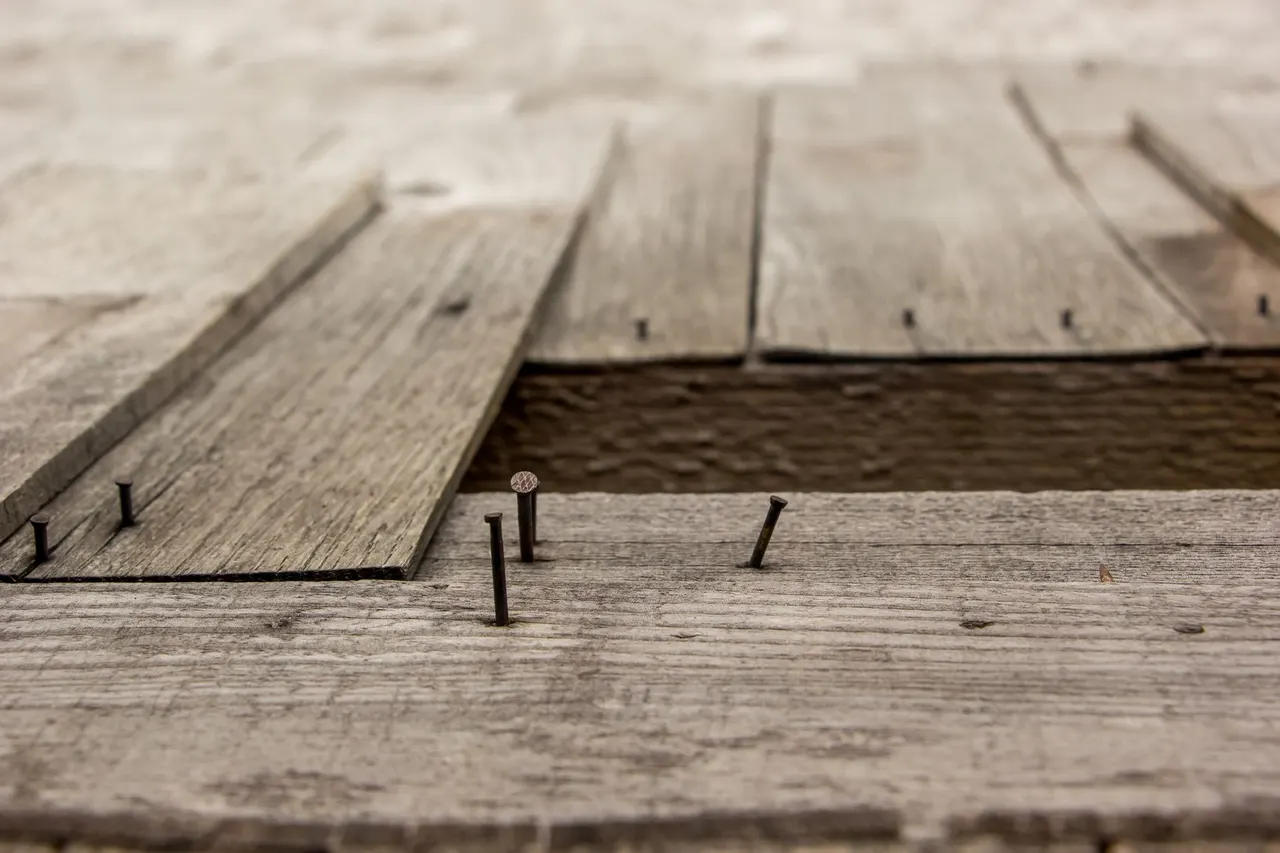
Wind-driven rain from a spring storm is pushing water under your valley flashing.
We check the shingle edges and step flashing for lift, reseal the gaps, and run an angled hose test to mimic storm conditions.
Outcome: The next storm does not find a way in, and you avoid a repeat call-out.
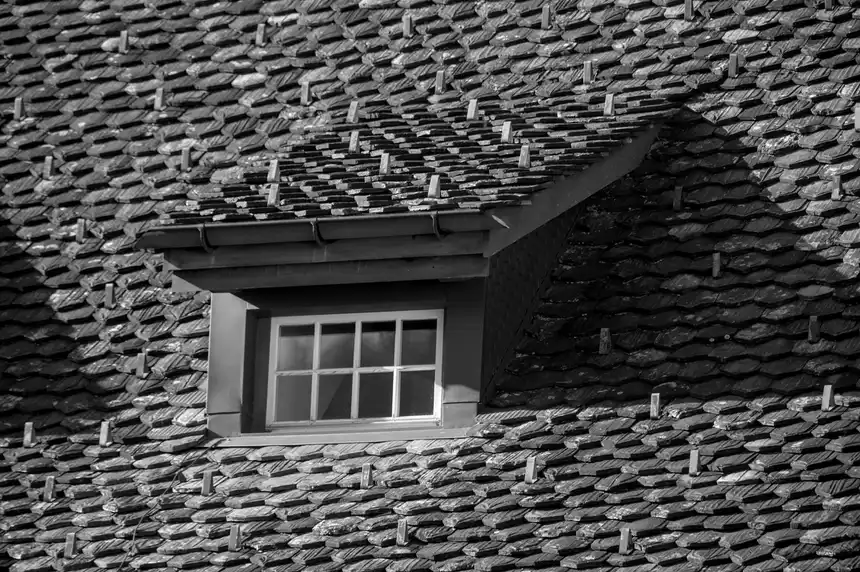
Your valley is packed with leaves and debris, and water is backing up under the shingles.
We clear the valley, inspect the underlayment for damage, and repair any spots where water has already gotten through.
Outcome: Water flows freely down the valley again, and the underlayment is intact for the next rainy season.
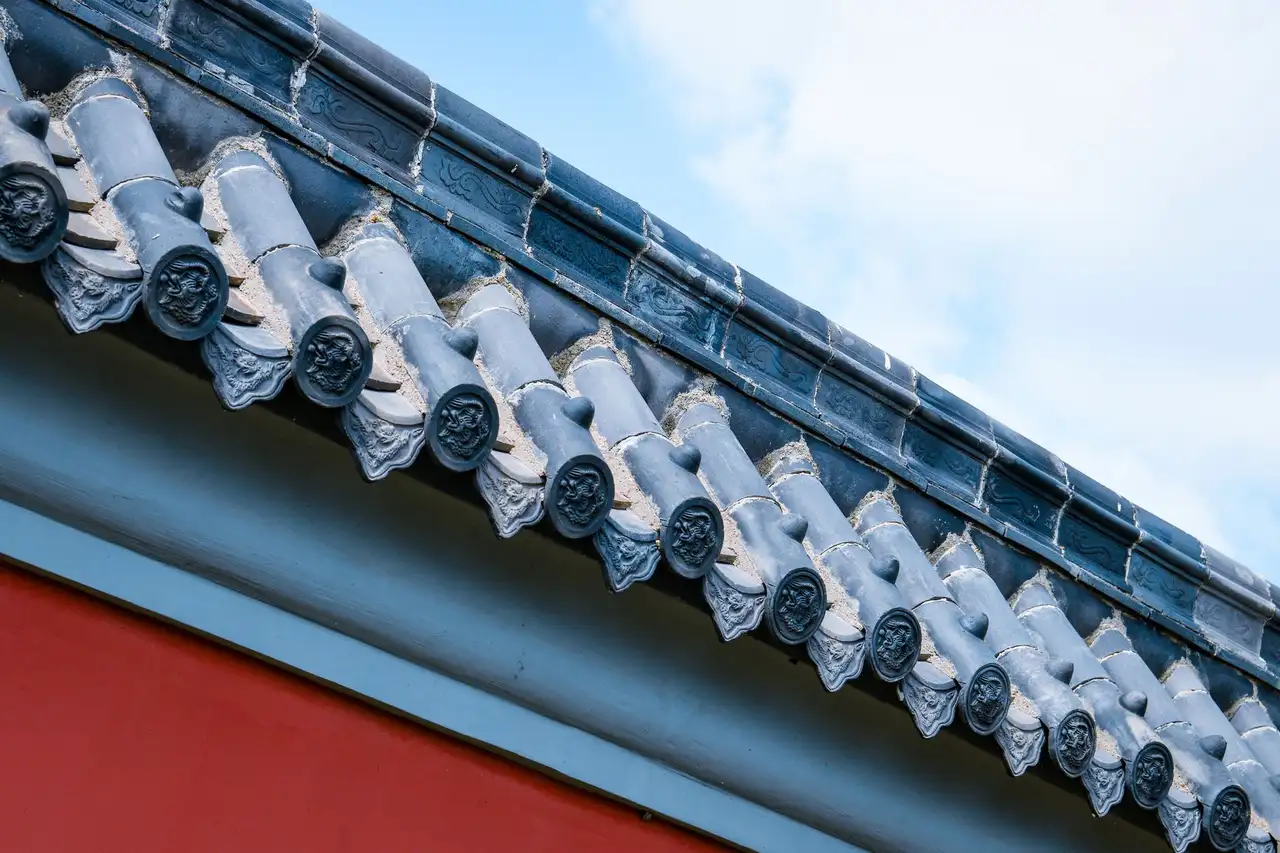
Knoxville roofs take a specific beating. Summer heat pushes attic temperatures past 140 degrees, which cooks old roof cement and shrinks caulk joints. Winter brings freeze-thaw cycles that open small gaps in valley flashing, and spring storms drive rain sideways into lifted shingle edges. Older homes in neighborhoods like Old North and Lonsdale often still have original valley metal that has rusted thin.
Newer builds in Hardin Valley and Turkey Creek use synthetic underlayment that can tear if it was nailed poorly. We build every valley repair for both extremes: new ice and water shield, properly set flashing, and shingles nailed to manufacturer spec.

Before: A homeowner in Fountain City had a growing brown stain on the ceiling for four months. Two roofers had patched shingles without finding the source. The valley flashing had rusted through and water was running along the deck.
After: We replaced the valley flashing and ice and water shield, reset the shingles, and hose-tested the repair for 30 minutes. The ceiling was dry, and the stain stopped spreading within a week.
Keep the valley clear of leaves each fall. Check the attic after the first heavy spring rain for any new staining.
Before: A rental property in Bearden had a valley leak that returned every year after patch jobs. The decking under the valley had rotted soft, and nails would not hold. The property manager was losing a tenant because of the ceiling damage.
After: We cut out the rotted decking, replaced it, and rebuilt the valley with new underlayment and flashing. The repair passed a 25-minute hose test, and the unit was ready to rent again in two days.
Inspect the valley after any storm that drops branches. Keep gutters clear so water does not back up under the shingles.
Before: A windstorm lifted shingles along a valley in Farragut, and water was dripping into a hallway. The homeowner called after dark, and rain was still in the forecast for two more days.
After: We tarped the valley that night, then returned the next morning to replace the underlayment and flashing. The repair was hose-tested and the ceiling dried out without further damage.
Check the valley after every windstorm for lifted shingle edges. Call us if you see granules collecting in the gutter, which signals shingle wear.
Valley leaks show up in a few predictable ways. If any of these sound familiar, the valley is the first place we look.
A properly rebuilt valley keeps your ceiling dry and your decking solid.
Water that enters a valley runs along the roof deck before it drips. We trace it back to the true entry point instead of patching the ceiling. Most valley repairs take two to five hours and stop the leak the same day, so you are not watching a stain grow every time it rains.
A valley leak that runs for one season can rot the sheathing and soften the rafter tails near the eave. Replacing a two-foot section of decking runs far less than a full roof rebuild. Fixing the valley early keeps the damage in the hundreds, not the thousands.
We rebuild valleys to GAF and Owens Corning specs so your coverage stays intact.
Most valley leaks we inspect were patched once or twice before with caulk. Caulk cracks within a year on a hot roof. We remove the failed patch, replace the underlayment, and set new flashing so the repair holds through freeze-thaw cycles and summer heat.
Clear records you can keep and share.

Images of the repair and test
What was repaired and why
Brands and products used
Hose test time and result
The valley type on your roof changes how we repair it and what materials we use.
Metal flashing runs down the center
Shingle courses weave across the valley
Shingles cut back from a metal center
A list like this tells people straight away whether you cover their street. Not listed? Call and ask: it only takes a minute.
Based in Knoxville and covering the places around it. Pick one for local details.
A small flashing repair at the valley bottom sits near the low end. A full valley rebuild with new ice and water shield and flashing runs higher. We give you a fixed price before work starts, so there is no surprise when the job is done.
The most common cause is failed valley flashing or missing ice and water shield under the shingles. Knoxville's freeze-thaw cycles open small gaps, and summer heat cracks old roof cement. Debris packed in the valley also dams water and pushes it under the shingle edges. We inspect the valley, the flashing, and the attic to find the true entry point before we repair anything.
Knoxville Roofing Company repairs roof valley leaks across Knox County, including Bearden, Fountain City, Farragut, and Cedar Bluff. Call (865) 2988-904 and we will schedule an inspection, usually the same day. We carry valley flashing and matching shingles on the truck, so most repairs are finished in one visit.
Light rain, yes. We tarp the area first and work under cover. In heavy rain or lightning, we wait for a safe window and come back the same day or the next morning. If water is actively pouring into your home, call us and we will get a tarp on the roof to stop the damage while we wait for the weather to break.
Other services from the same team.
Water in your ceiling will not wait for a convenient week. Call Knoxville Roofing Company at (865) 2988-904 and we will inspect your valley, give you a fixed price, and repair it before the next storm.
Call us at (865) 2988-904 or send an email, and we will get back to you the same business day. We answer leak calls Monday through Friday, 8am to 6pm, and we check messages after hours for active leaks. Tell us what you are seeing and we will tell you what it likely is.